KIGM “Trading without emotions”: a deck and a speech
A deck for talks by a trading-education platform: the problem of emotions, an algorithm instead of gut feeling, tournaments, three plans, a personal mentor and an in-game economy. Every slide has its own piece of the speech.
- 10
- slides
- 6–7 min
- talk
- ≈ 40 s
- of speech per slide
The task
About 10 slides in the style of the client’s reference videos — Morph and 3D transitions, brand colours from the website. Short slides for speaking, with the full speech as a separate file.
What I did
- A 10-slide story, from “Emotions = losses” to “Start trading without fear”
- An animated “map” on a dedicated slide
- The speech: about 40 seconds per slide, duplicated in the speaker notes
- Figures and plans taken from the client’s website, nothing invented
Proof
- The structure of the talk and fragments of the speech are below on this page
Fragments of the speech (translated from Russian)
Slide 1. Trading without emotions
Most people come to the market for quick money and leave disappointed. The reason is almost always the same: decisions are made on emotion rather than by a system.
Slide 2. Emotions = losses
First comes FOMO, the fear of missing out: a stock is rising, everyone is talking about it, and people buy at the very top. Then greed. And when the market turns, panic arrives and the shares are sold at the very bottom.
Slide 3. An algorithm instead of gut feeling
Buy only on a signal, sell only to plan. Once a person has an algorithm, psychology no longer runs their money.
What else you can hand over to me
- Redesign an existing deck: structure, readability, one consistent style
- Make a series of decks in one style for different audiences
- Prepare a talk: short slides plus the full speech in the speaker notes
- Put together a pitch for partners or investors
- Replace walls of text with diagrams and infographics



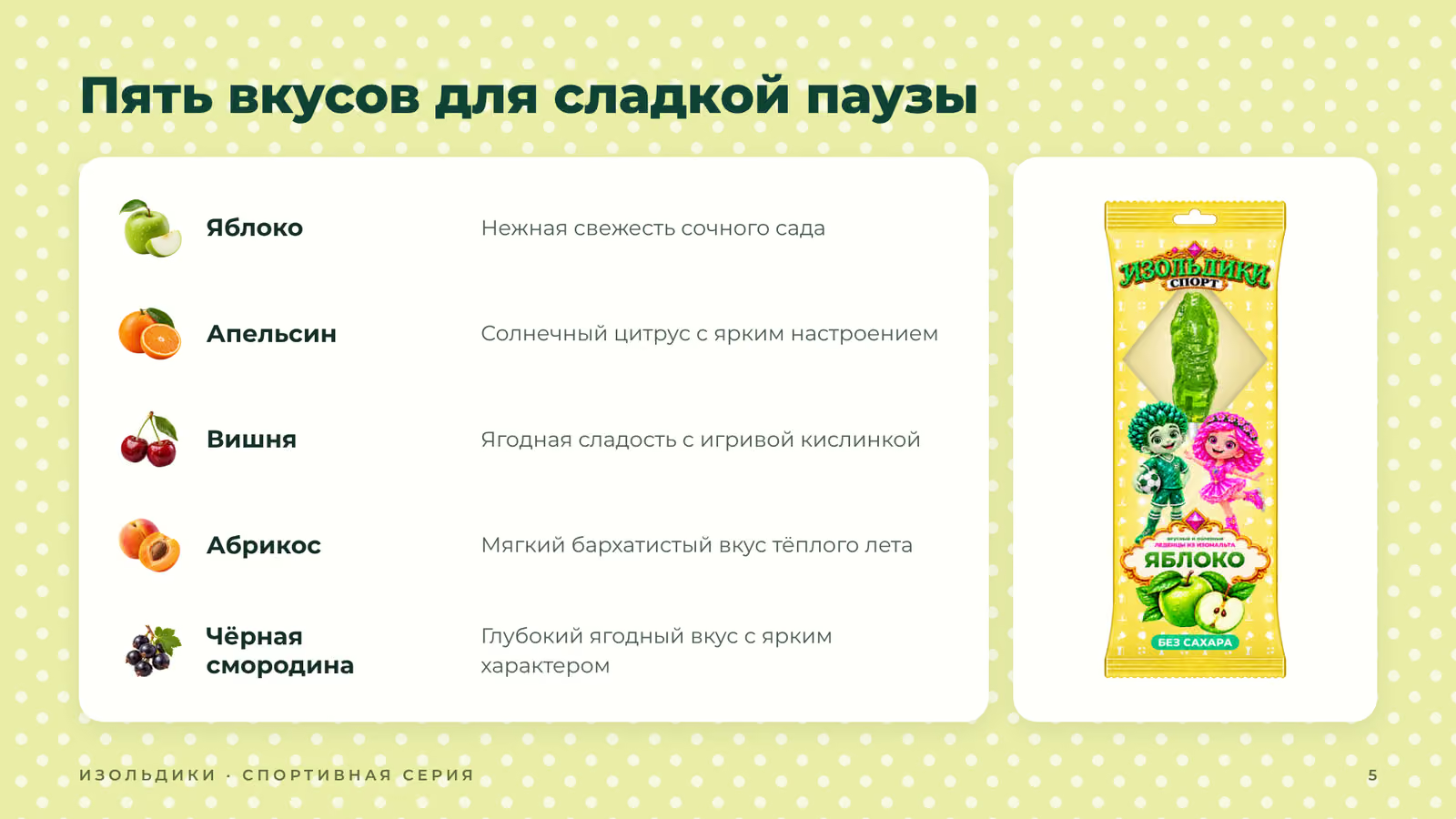
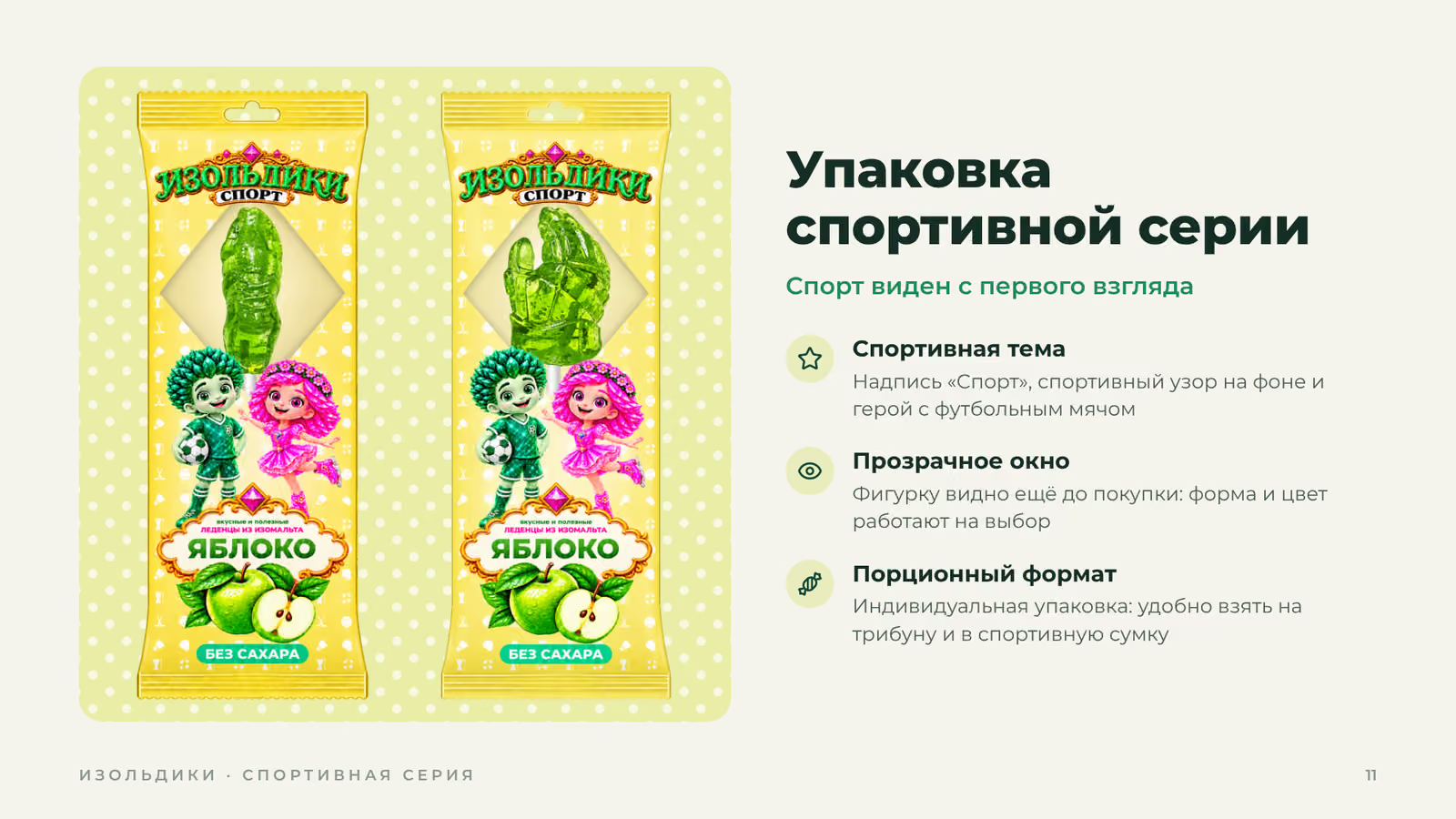
Izoldiki Sport: a deck for sports partners
Sugar-free boot and glove lollipops pitched to stadiums, clubs and tournaments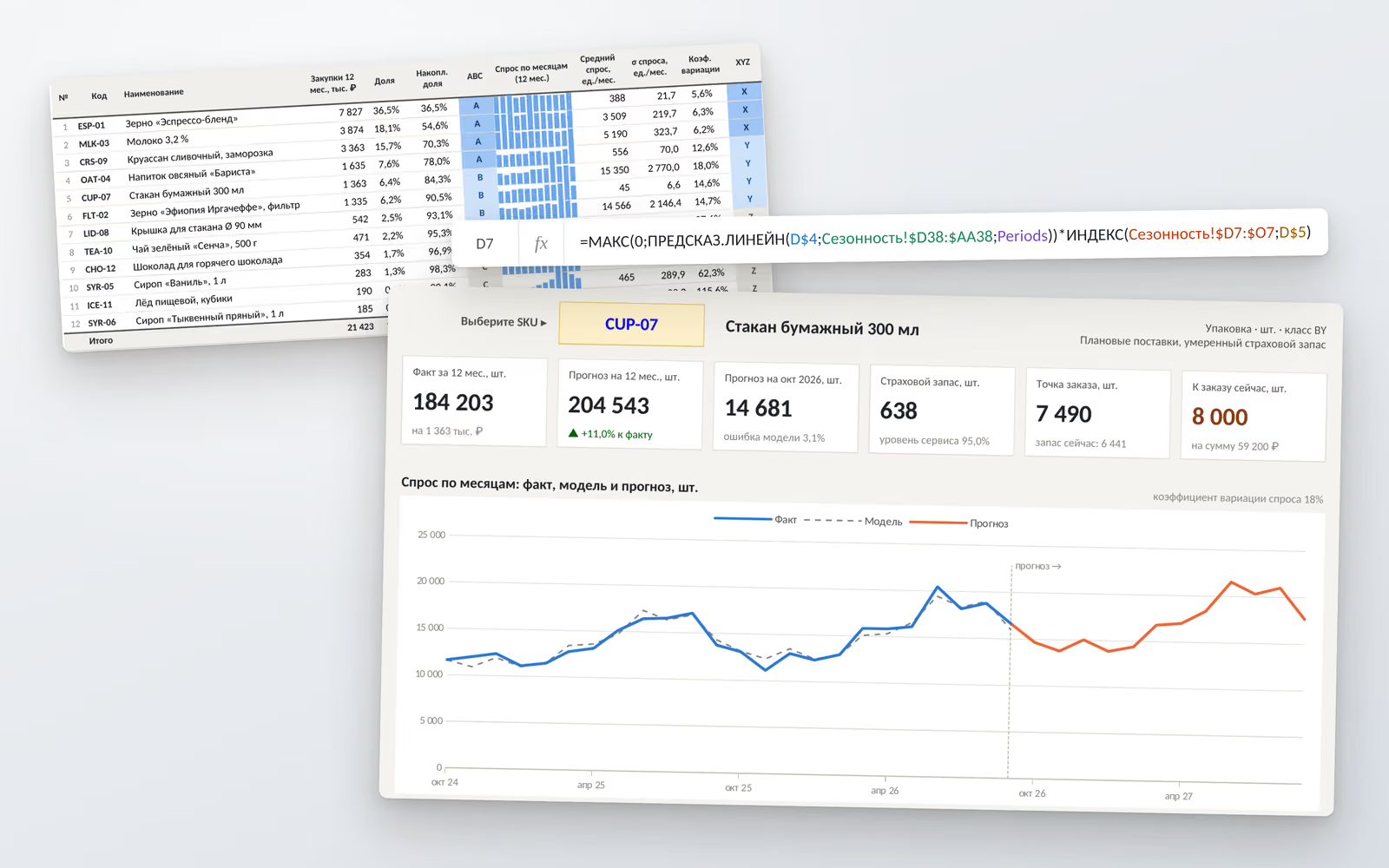


An Excel demand and purchasing model for a coffee shop chain
Seasonal forecast, ABC-XYZ and reorder points — 2,515 formulas and a dashboard with an item picker